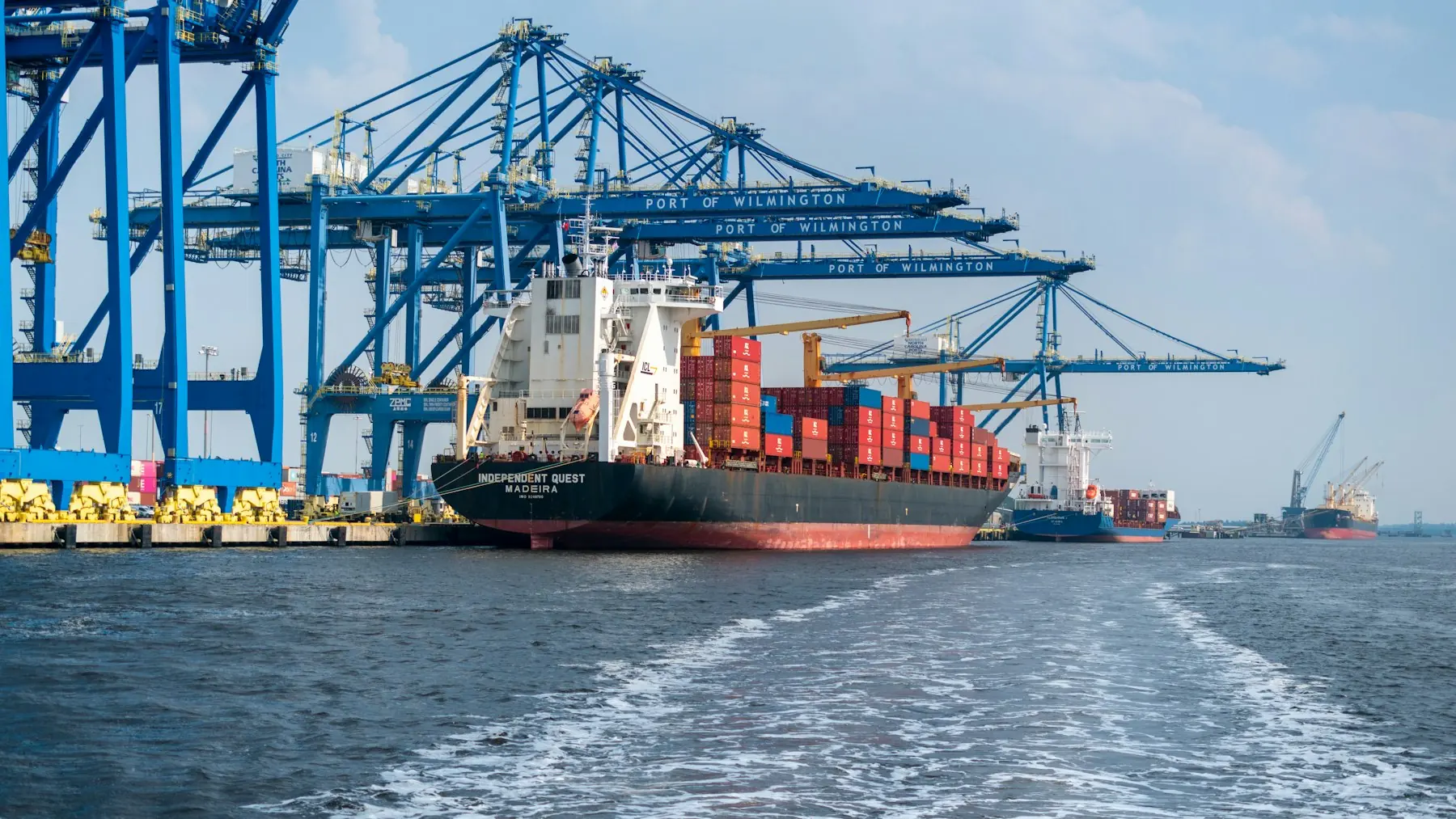


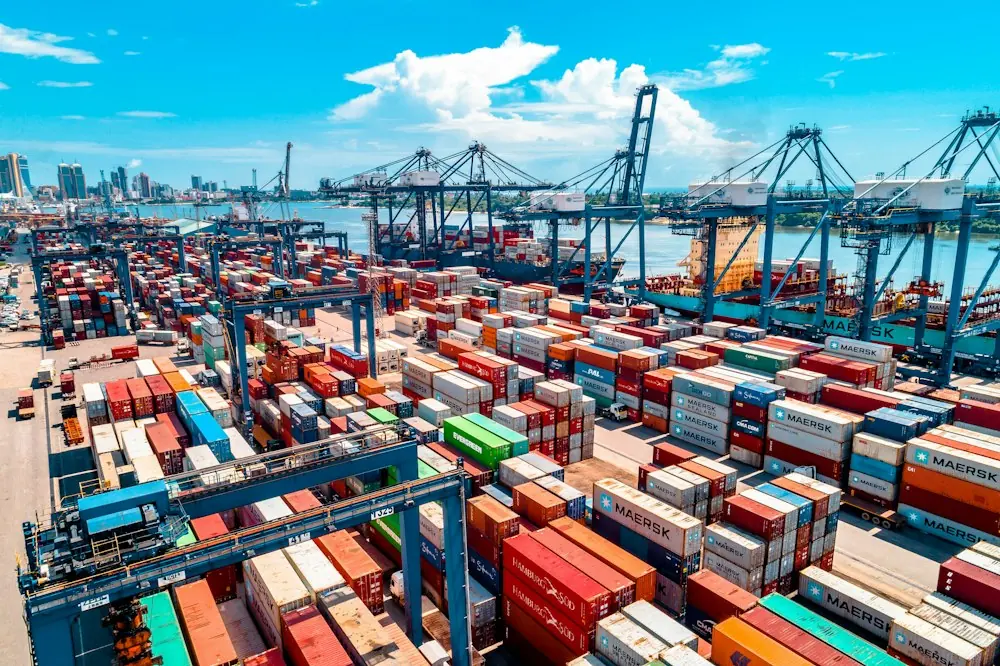
When shipping goods by container there are two common load options: FCL (Full Container Load) and LCL (Less than Container Load). Both travel by sea, but handling, cost and processing time differ.
What is FCL?
FCL means one container is used for a single shipment or customer. The whole container — 20 ft or 40 ft — is yours, even if it is not completely full.
What is LCL?
LCL consolidates cargo from several shippers in one container. Costs are usually calculated by volume (CBM) or weight, under the provider's consolidation terms.
Quick comparison
| Aspect | FCL | LCL |
|---|---|---|
| Container use | One customer | Shared by several shippers |
| Best for | Large volumes | Small–medium volumes |
| Handling | Fewer transfers | Consolidation & deconsolidation |
| Pricing | Per container | Per CBM / weight |
When to choose FCL
- Your volume is close to or above one container's capacity.
- The goods must be handled separately because of their nature or packaging.
- You want a simpler process without waiting for consolidation.
When to choose LCL
- Your volume is small and a full container would be inefficient.
- You ship regularly in small quantities.
- Your schedule can follow consolidation schedules.
Tips
Estimate volume and weight first. Above a certain volume, LCL costs can approach FCL costs — at that point FCL is often the more practical choice. LCL availability also depends on the route and partners.
The GIF team can compare FCL and LCL options based on your cargo details, route and schedule.
Articles are general information, not legal advice. Customs and licensing rules may change — confirm your specific requirements with our team or the competent authorities.