

Every export has its own details, but most follow the same stages. Understanding the flow helps you prepare goods, documents and schedules in a structured way.
1. Agreement with the buyer
Exporter and buyer agree on product, quantity, price, payment terms and Incoterms (e.g. FOB or CIF). Incoterms define where the seller's responsibility and costs end.
2. Requirement check
Check the product classification (HS Code), export rules and destination requirements — such as certificates of origin, quarantine or technical certificates.
3. Shipment planning
Decide the load type (FCL/LCL), container size, port of loading and target schedule. Vessel space is booked subject to carrier confirmation.
4. Cargo preparation and stuffing
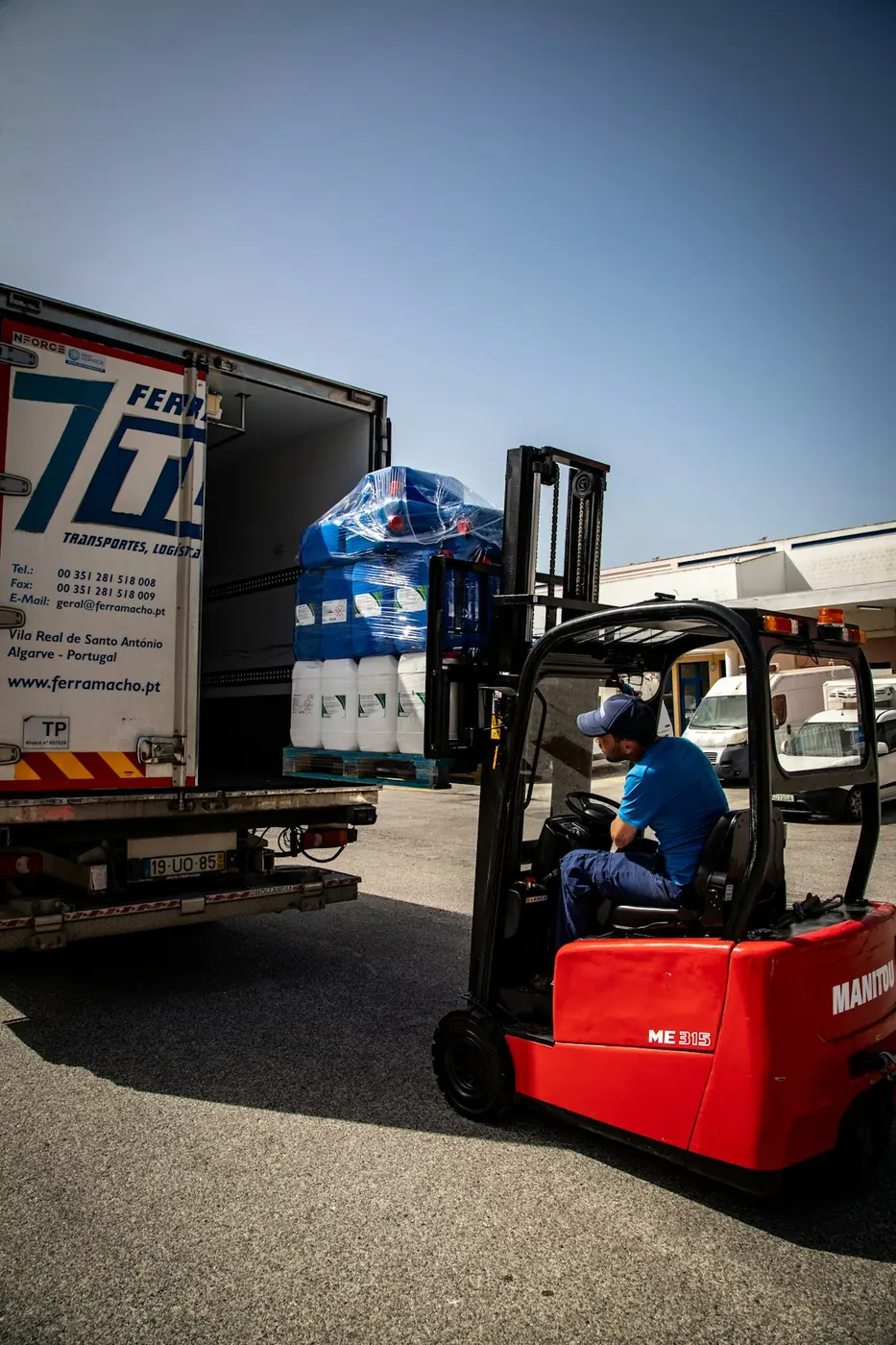
Goods are packed to suit their characteristics and loaded into the container at the warehouse or agreed site. Trucking delivers the container to the port before the closing time.
5. Documents and customs
Documents such as the Commercial Invoice and Packing List are prepared, and the PEB (export declaration) is filed under the applicable rules — by the exporter or a licensed customs broker (PPJK). Additional documents are processed where required.
6. Shipping and handover
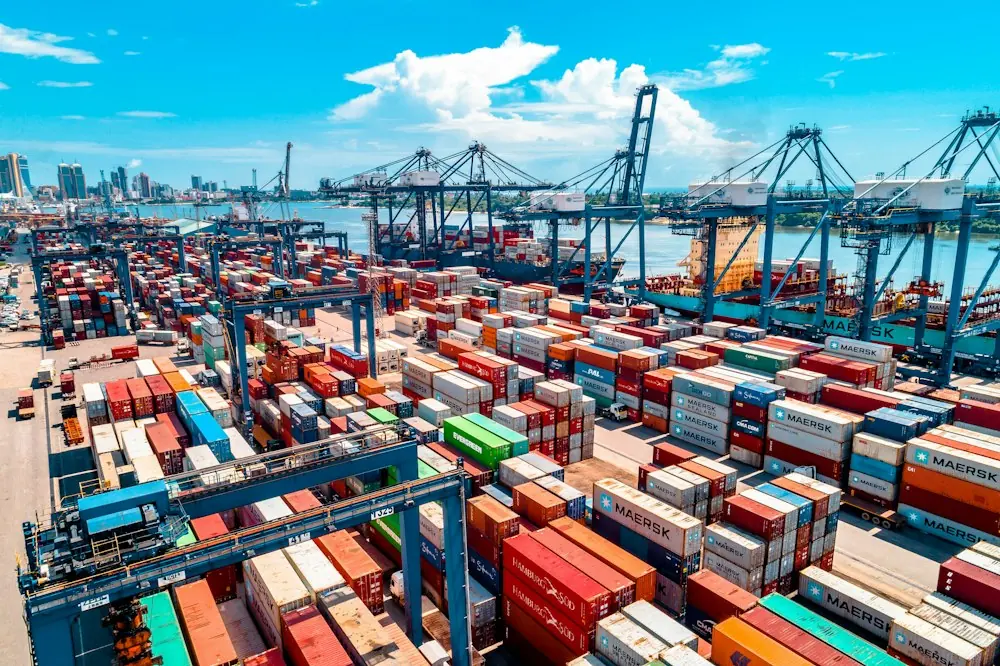
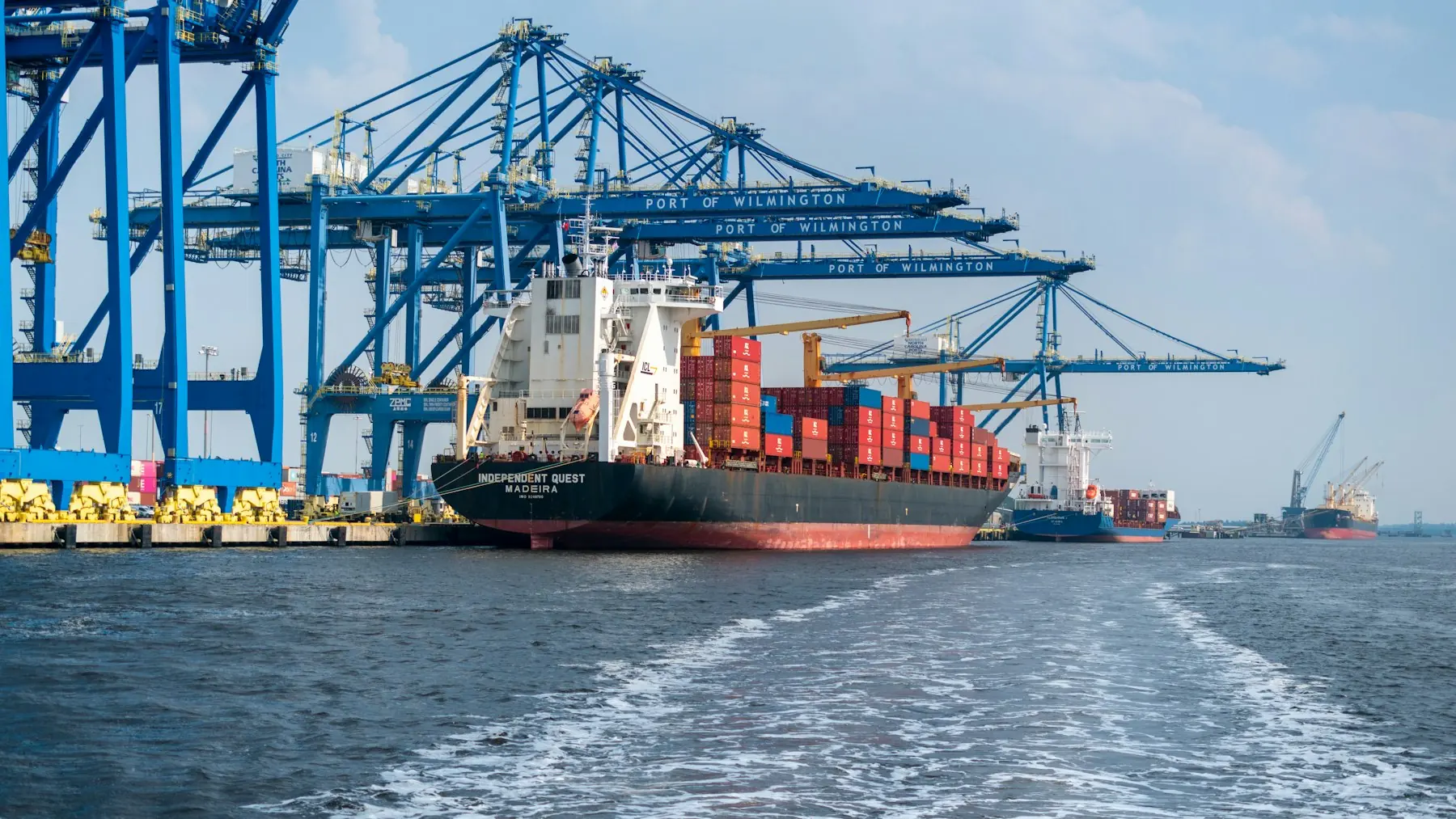
Once cleared, the container is loaded onto the vessel. The carrier issues the shipping documents, and information is passed to the buyer or the agent in the destination country.
The coordinator's role
Many parties are involved: suppliers, trucking, depots, shipping lines, PPJK and authorities. A coordination partner such as GIF brings communication together so each stage runs to plan.
Export rules may change. Confirm the latest requirements for your commodity and destination.
Articles are general information, not legal advice. Customs and licensing rules may change — confirm your specific requirements with our team or the competent authorities.